The company benefited from the Experiment measure of the Innovation Agency, which was aimed to promote research, development and innovations (RDI).
According to Jekaterina Kalinienė, Head of BioTech Lab of the Innovation Agency, the Zive's project is an innovation of great importance in the fields of medicine and technologies.
“It is an excellent example how innovations can combine medicine with high technology solutions to improve the quality of life for patients and to contribute to healthy society formation. The devices developed in the framework of the project can help analysing big volumes of data, providing valuable information and recommendations to deal with complex health matters,” says the expert.
The biotechnology sector is growing at double-digit rates
According to her, innovative technologies and solutions like these can become not just a part of health care services but also create new business fields, attract investments, and help Lithuania to take the leader's position in biotechnology field.
“Biotech sector is one of the priority sectors of the Lithuanian economy with highly ambitious strategic goals set for it. Upon achievement of which, we could become one of the leading countries in this field. In general, our country is nearly the only EU Member State enjoying the growth of the biotech sector at double-digit rates for nearly a decade – around 90 per cent of the Lithuanian products is exported to over 100 countries, and the largest biotechnology markets of the Lithuanian sector are the USA, Germany and United Kingdom', says Ms. Kalinienė.
According to the Head of BioTech Lab of the Innovation Agency, the Zive project not only contributes to the growth of the Lithuanian biotechnology ecosystem but also sets an inspiring example for other gifted researchers of our country: “Knowing that your work can have practical application value can be a strong motivational factor. It encourages strengthening connections between scientific research and business, which bring benefits for both sides.”
The product stands out on the market
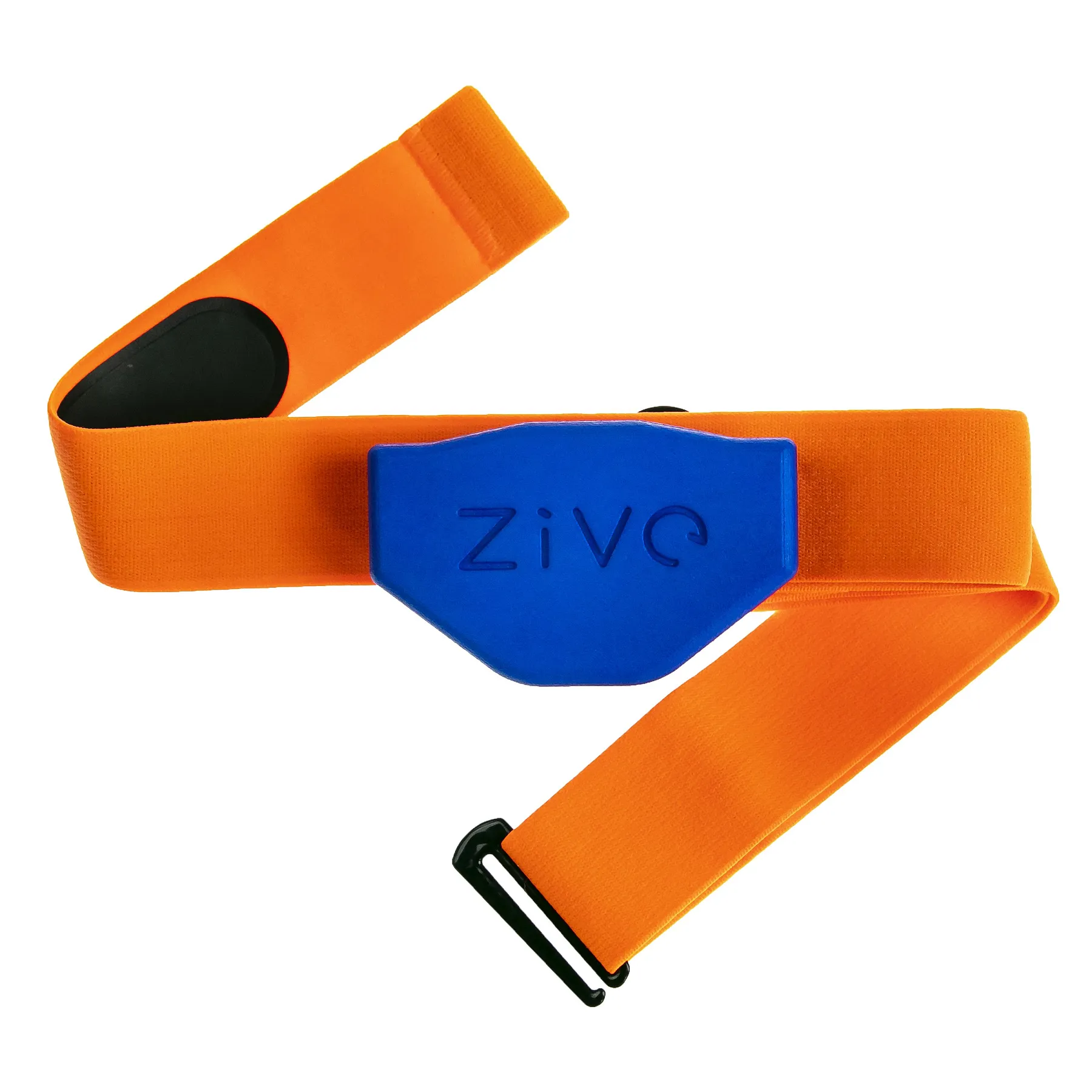
Head of Technologies of Zive company Ignas Griškevičius says that anyone will be able to use heart monitoring devices – no special knowledge will be needed, and the devices are developed to be unnoticeable and not interfering with daily chores.
“The device is easily mounted to the chest and does not interfere with daily life – a person can work, do sports, rest and sleep. The Zive cardiograph makes no sound and does not vibrate, therefore, it is unnoticeable by others, does not prevent from taking part in events or be in the environment where you have no wish to discuss your health. This way the device can monitor heart in real life without changing daily habits,” says Mr. Girškevičius and adds that the product already stands out from other similar items on the market for being certified as Class II medical device.
When talking about the challenges faced in the course of the project, the head of technology of the company points out a lack of accredited European Union institutions that can certify medical devices and of investing environment in Lithuania. “Our country does not have any institutions that are EU accredited to certify medical devices, therefore, the Zive devices were certified in TUV Rheniland certification centre in Germany, which took a lot of time and cost a considerable amount of funds.
Besides, the investing environment in Lithuania is not favourable for the development of medical devices, since we do not have many specialists, investors are not willing to wait 3-5 years for a device to be developed and all necessary certificates to be obtained for placement on the market. Therefore, we are happy that the Innovation Agency trusted our idea and specialists – that was the crucial support in the development of the device and software'.
According to Mr. Griškevičius, the key goal of the project is to help people to have a healthy life, to prevent serious heart diseases, and focus the society on prevention and early diagnosis.
“To achieve these goals we have not only to get established in Lithuania and neighbour countries but also to expand to other markets. These are the long-term plans of this project,” says the Head of Technology of the medical company.
At the invitation of the Innovation Agency, the project received financing from the European Regional Development Fund under the Experiment measure of the first priority – Promotion of Research, Development and Innovations (RDI).
Its purpose is to promote companies to invest into RDI needed for development of innovative products, services or processes, and to promote corporate development through investment into RDI and creation and development of the structure of innovations.